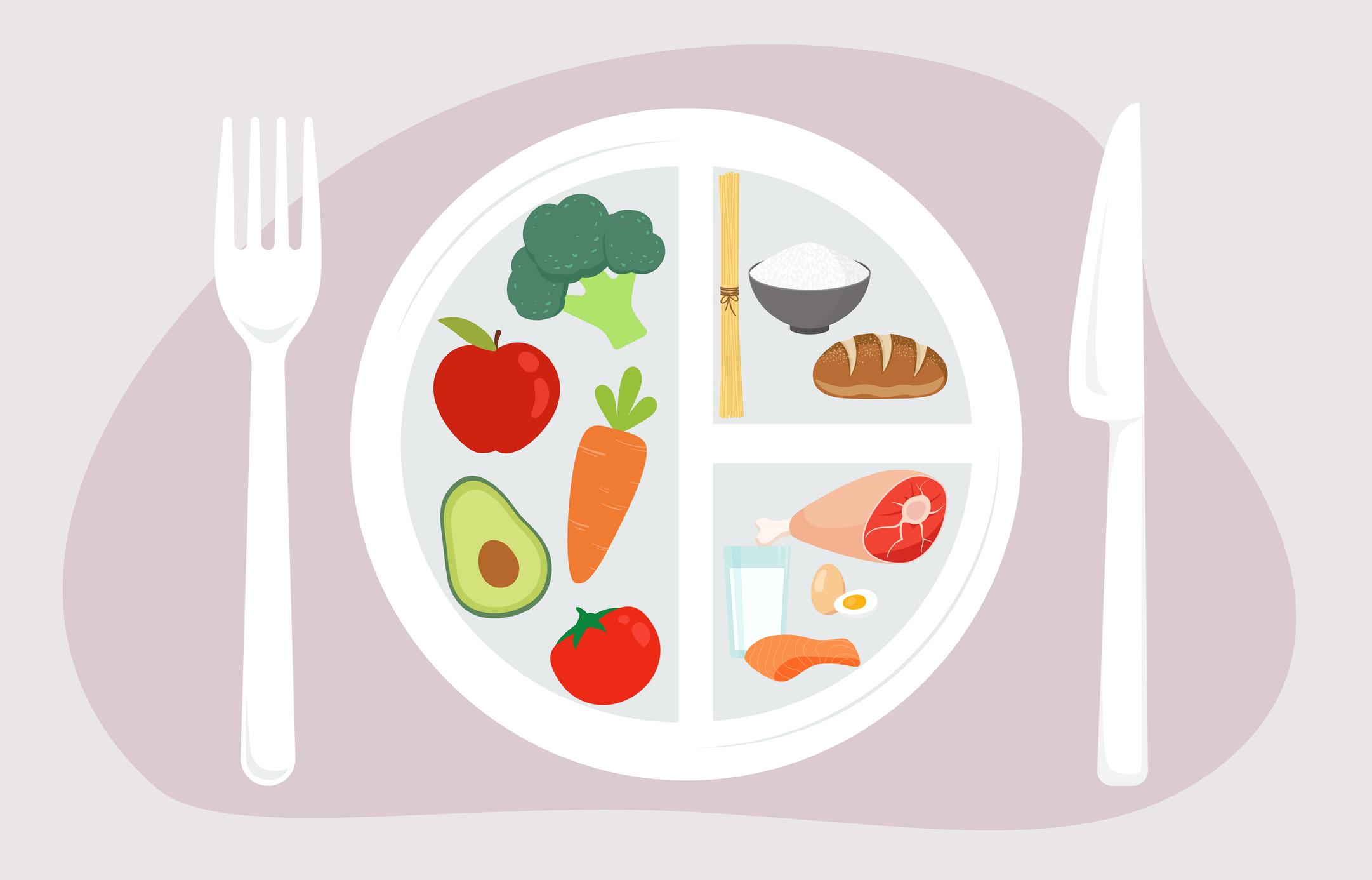
Healthy eating in 2026 is no longer about strict dieting or temporary trends. It’s about building sustainable habits that support long-term physical health, mental clarity, and overall well-being.
With busy schedules, processed food availability, and constant nutrition misinformation online, maintaining a balanced diet can feel overwhelming. However, research consistently shows that small, consistent improvements create the most meaningful results.
This guide will walk you through practical strategies, food choices, common mistakes, and science-backed principles to help you build a healthier relationship with food.
Why Healthy Eating Matters More Than Ever


Modern lifestyles often include:
-
Ultra-processed convenience foods
-
High sugar consumption
-
Irregular meal timing
-
Sedentary work environments
-
Chronic stress
These factors increase the risk of:
-
Obesity
-
Heart disease
-
Type 2 diabetes
-
Digestive disorders
-
Fatigue and mood imbalance
A balanced diet plays a critical role in preventing chronic disease, supporting immune function, and improving daily energy levels.
Healthy eating is not just about weight — it directly impacts:
-
Brain performance
-
Hormone balance
-
Sleep quality
-
Longevity
-
Emotional well-being
The Foundation of a Healthy Diet
A strong nutrition foundation includes:
1️⃣ Whole, minimally processed foods
2️⃣ Adequate protein intake
3️⃣ Balanced macronutrients
4️⃣ Fiber-rich carbohydrates
5️⃣ Healthy fats
6️⃣ Proper hydration
Let’s break these down.
Focus on Whole Foods
Whole foods are minimally processed and rich in essential nutrients.
Examples include:
-
Vegetables and leafy greens
-
Fresh fruits
-
Whole grains (brown rice, oats, quinoa)
-
Lean proteins (chicken, fish, legumes)
-
Nuts and seeds
-
Natural dairy products
Ultra-processed foods often contain:
-
Added sugars
-
Artificial additives
-
Refined oils
-
Excess sodium
Reducing processed food intake can significantly improve digestion, stabilize blood sugar, and reduce inflammation.
The Importance of Protein


Protein is essential for:
-
Muscle repair
-
Hormone production
-
Immune function
-
Satiety
Adequate protein intake reduces cravings and prevents overeating.
Good protein sources include:
-
Eggs
-
Fish
-
Chicken breast
-
Greek yogurt
-
Lentils
-
Tofu
-
Beans
Most adults benefit from spreading protein intake evenly throughout the day instead of consuming most of it at dinner.
Understanding Carbohydrates
Carbohydrates are often misunderstood.
There are two main types:
Refined Carbohydrates
-
White bread
-
Sugary cereals
-
Pastries
-
Soda
These spike blood sugar quickly and lead to energy crashes.
Complex Carbohydrates
-
Oats
-
Sweet potatoes
-
Brown rice
-
Whole grains
-
Vegetables
These provide steady energy and fiber.
Carbohydrates are not the enemy — poor-quality carbs are.
Healthy Fats Are Essential


Healthy fats support:
-
Brain health
-
Hormone balance
-
Heart health
-
Nutrient absorption
Good fat sources include:
-
Avocados
-
Olive oil
-
Nuts
-
Seeds
-
Fatty fish
Avoid excessive trans fats and heavily processed vegetable oils.
The Role of Fiber
Fiber improves:
-
Digestion
-
Blood sugar regulation
-
Gut microbiome health
-
Satiety
High-fiber foods:
-
Vegetables
-
Fruits
-
Whole grains
-
Beans
-
Chia seeds
Most people consume far less fiber than recommended.
Hydration and Its Impact on Health



Hydration affects nearly every bodily function.
Dehydration can cause:
-
Fatigue
-
Headaches
-
Brain fog
-
Overeating
Tips for better hydration:
-
Drink water before meals
-
Keep a reusable bottle nearby
-
Limit sugary drinks
-
Add lemon or herbs for flavor
Healthy Eating for Busy Professionals
Time constraints are one of the biggest barriers.
Strategies include:
-
Meal prepping 2–3 days at a time
-
Cooking larger portions
-
Preparing healthy snacks in advance
-
Keeping quick protein options available
Simple snack ideas:
-
Greek yogurt with berries
-
Nuts and fruit
-
Boiled eggs
-
Hummus and vegetables
Planning reduces impulse eating.
Emotional Eating and Mindful Nutrition
Many people eat in response to stress, boredom, or emotional triggers.
Mindful eating practices include:
-
Eating without screens
-
Chewing slowly
-
Recognizing hunger cues
-
Stopping at 80% fullness
This improves digestion and reduces overeating.
Common Healthy Eating Mistakes
❌ Extreme dieting
❌ Eliminating entire food groups
❌ Relying on supplements instead of real food
❌ Skipping meals
❌ Over-consuming “healthy” snacks
Balance and consistency are more important than perfection.
How to Build a Sustainable Healthy Eating Plan


Step-by-step approach:
-
Start with one habit (e.g., add vegetables daily)
-
Improve breakfast quality
-
Reduce sugary drinks
-
Increase protein intake
-
Plan grocery shopping
Gradual changes are easier to maintain long term.
Sample Balanced Day of Eating
Breakfast:
Oatmeal with berries and nuts + Greek yogurt
Lunch:
Grilled chicken salad with olive oil dressing
Snack:
Apple and almonds
Dinner:
Salmon, quinoa, roasted vegetables
Hydration:
2–3 liters of water daily
Healthy Eating and Long-Term Health
Research consistently links balanced diets with:
-
Lower cardiovascular risk
-
Reduced inflammation
-
Improved mental clarity
-
Better weight management
-
Increased longevity
Healthy eating is a long-term investment in your body.
Frequently Asked Questions (FAQ)
Is healthy eating expensive?
Not necessarily. Whole foods like beans, rice, oats, and seasonal vegetables are often affordable.
Do I need supplements?
Most nutrients should come from food. Supplements may help in specific deficiencies.
Can I eat carbs and still be healthy?
Yes. Focus on whole, fiber-rich carbohydrates.
How long does it take to see results?
Energy improvements can happen within weeks. Long-term benefits develop over months.
Final Thoughts
Healthy eating in 2026 is about sustainability, not restriction.
You don’t need a perfect diet. You need consistent improvement.
Focus on:
-
Whole foods
-
Balanced meals
-
Adequate protein
-
Healthy fats
-
Hydration
-
Mindful eating
Small daily habits build powerful long-term results.