Your credit score affects almost every major financial decision you make — from getting approved for a credit card to qualifying for a mortgage. In 2026, lenders are using more advanced scoring systems, making your credit profile even more important.
If you want to improve your credit score quickly and safely, here’s a step-by-step guide.
What Impacts Your Credit Score?


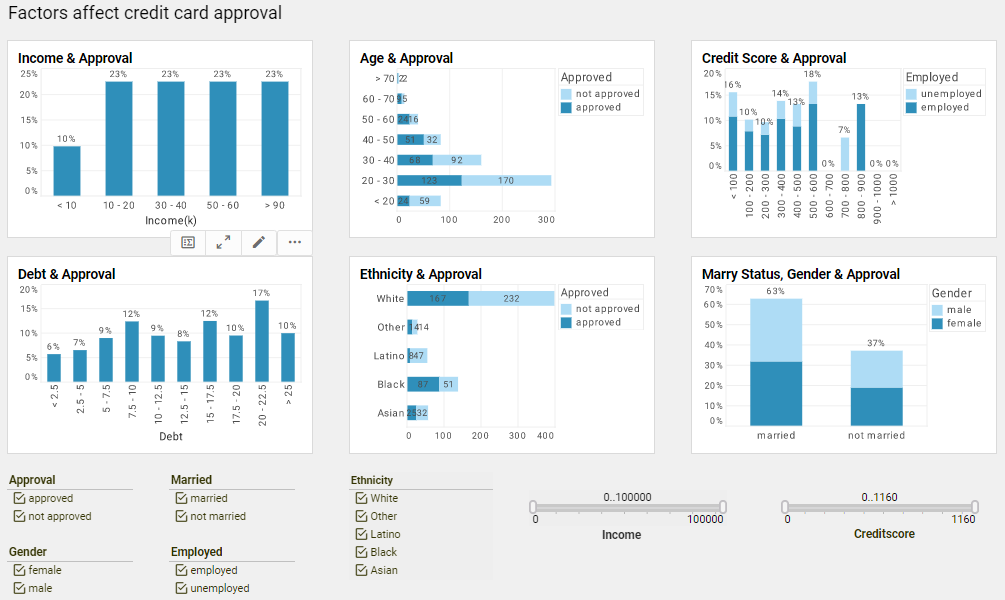
Your credit score is typically based on five main factors:
-
Payment history (35%)
-
Credit utilization (30%)
-
Length of credit history (15%)
-
Credit mix (10%)
-
New credit inquiries (10%)
Understanding these categories is the first step toward improving your score.
1️⃣ Pay Bills On Time — Every Time
Payment history is the biggest factor.
Even one late payment can drop your score significantly.
What to do:
-
Set up automatic payments
-
Use calendar reminders
-
Pay at least the minimum due
If you’ve missed a payment recently, bring the account current as soon as possible.
2️⃣ Lower Your Credit Utilization


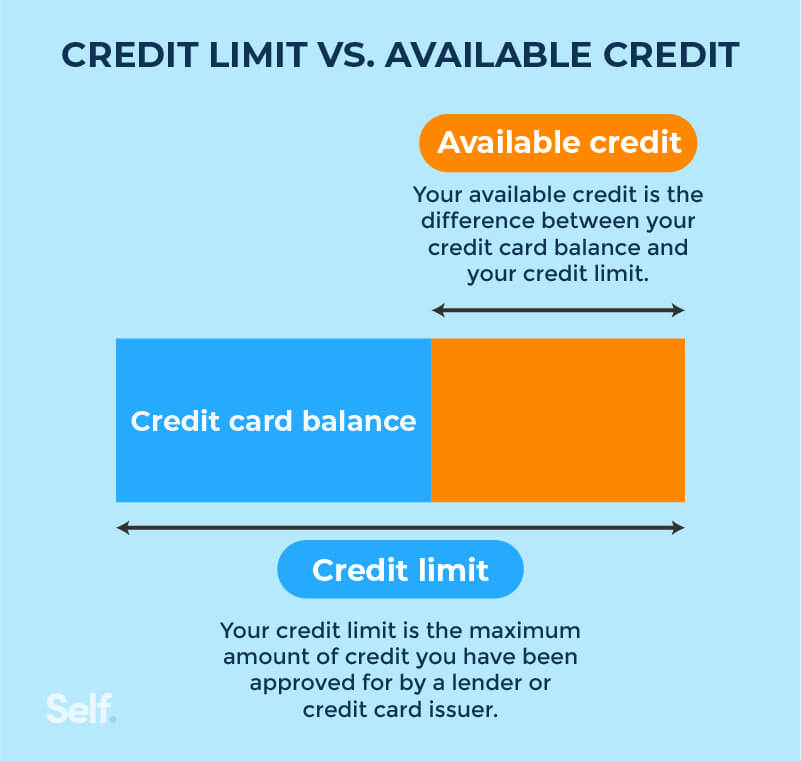
Credit utilization is the percentage of your available credit that you’re using.
Experts recommend keeping it below 30%, but under 10% is ideal.
Example:
If your credit limit is $5,000, try to keep your balance under $1,500 — preferably under $500.
Quick Tip:
Make multiple payments during the month to keep your reported balance low.
3️⃣ Avoid Closing Old Accounts
Length of credit history matters.
Closing old credit cards can:
-
Shorten your credit history
-
Reduce your total available credit
-
Increase your utilization ratio
If the card has no annual fee, consider keeping it open.
4️⃣ Limit New Credit Applications
Every time you apply for credit, a hard inquiry appears on your report.
Too many applications in a short period can:
-
Lower your score
-
Make lenders nervous
Space out applications by several months if possible.
5️⃣ Check Your Credit Report for Errors

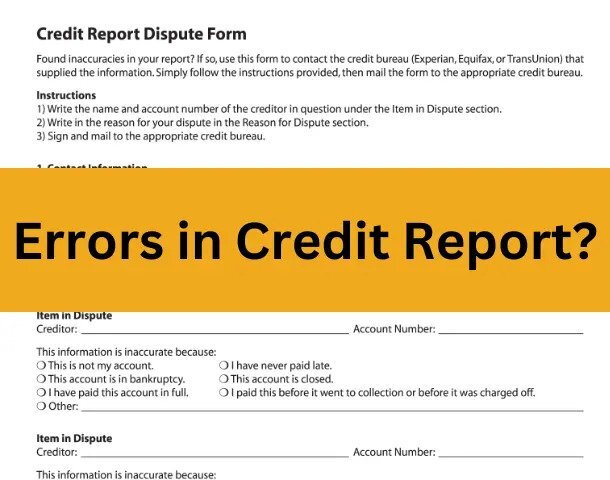

Mistakes happen.
Incorrect late payments, outdated balances, or fraudulent accounts can damage your score.
In 2026, you can access free credit reports annually from major reporting agencies.
If you find an error:
-
File a dispute immediately
-
Provide documentation
-
Follow up regularly
6️⃣ Become an Authorized User
If you have a trusted family member with excellent credit, becoming an authorized user on their card can help improve your score.
This works best if:
-
They have a long credit history
-
They keep balances low
-
They never miss payments
7️⃣ Use a Secured Credit Card (If Needed)
If your score is low or you have limited history, a secured credit card can help rebuild credit.
Make small purchases.
Pay the balance in full every month.
Consistency is key.
How Fast Can You Improve Your Credit Score?
Some improvements (like lowering utilization) can reflect within 30–60 days.
More serious issues (like missed payments) may take 6–12 months to recover.
Credit building is a process — but strategic steps can speed it up.
Final Thoughts
Improving your credit score in 2026 doesn’t require complex strategies. It requires discipline and consistency.
Focus on:
-
On-time payments
-
Low credit utilization
-
Responsible credit management
Small changes today can lead to better financial opportunities tomorrow.